
Case Study is from the textbook:
Strategic Social Media: From Marketing To Social Change, Malden, MA: Wiley Blackwell, Mahoney, L. M., & Tang, T. (2017), page 92
Weixin is a popular Chinese social networking app, similar to WhatsApp where people can send messages and share news, pictures, etc. on a mobile device.
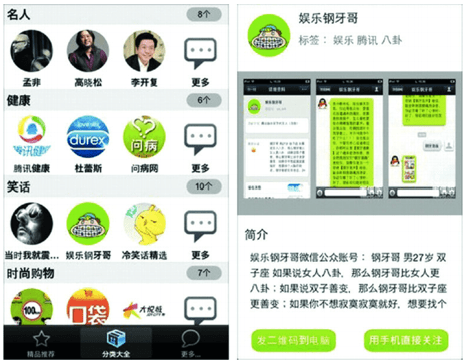
The app was launched in 2011 and gained over 300 million users by 2014. What makes Weixin so successful? The answer is simple. Knowing their audience.
Knowing an Audience
Weixin must:
- Do research
- Demographic: young, urban, have a smartphone
- Want/Need: all-in-one, easy to use, convenient platform, fits into their daily lives
- Look at competitors
- What is WhatsApp doing? What strategies work for them? What strategies could Weixin learn from?
- Create a customer persona
- Makes is easier for Weixin to talk to this “character” and better know who they are.
- Personally know Users
- Get to know what consumers like, what scares them, what are their concerns, etc.
- Monitor Users Engagements
- The more engagements, the better the campaign/platform is doing. What messages appeal to users making them engage more?
- View External Social Habits
- What other platforms is the audience using? What features based on these platforms can Weixin add? What are they participating outside of their mobile device?
- Conduct Surveys
- Weixin can ask users directly about their wants, needs, and interests
Spreadability, Social Habits, and Understanding
According to the textbook Strategic social media: From marketing to social change, practitioners must know their audience’s expectations and look at spreadability of content. Practitioners can reach individual expectations through personalization/customization. Content must be available whenever/wherever, easy to use, and fits the needs of any user.
Instead of thinking of consumers as a mass, Weixin sees their audience as individuals, knowing each want/need to deliver satisfaction. They know the other apps the consumer is using and what they’re doing outside of the app. They’re incorporating this knowledge into Weixin by adding other apps features and allowing them to participate in their external habits on Weixin. This Inbound marketing approach allows Weixin to pull consumers in rather than push them.
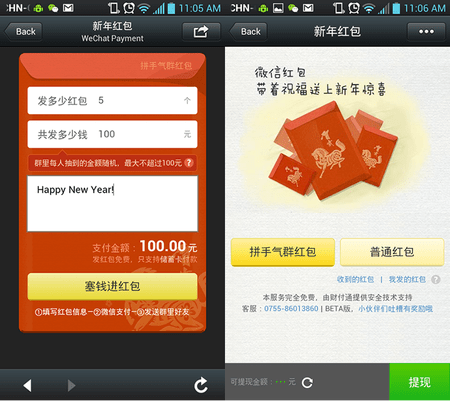
For example, when Chinese New Year came around, Weixin created a campaign that sent red envelopes to friends/family. Many of their users are part of the traditional Chinese culture who want to send out red envelopes. Weixin identified this want and created a Red Envelope campaign, making this tradition virtual. Users could put money in the envelope and Weixin would randomly distribute it among friends/family. For example, if you put $50 in, one friend could get $20 and another could get $30. The campaign was fun and encouraged users to spend more time and money on the app. The spreadability of this campaign made it easy to share, allowed for customization, and pulled consumers in through excitement.
Features that Satisfy
As briefly discussed, Weixin adds features from other apps their audience is using. The app is like a combination of Facebook, Instagram, Twitter, Snapchat, and eBay, allowing the user to be able to do anything on one platform. Users don’t need many platform options when Weixin has everything they are looking for, making Weixin a top choice for different users with different characteristics.
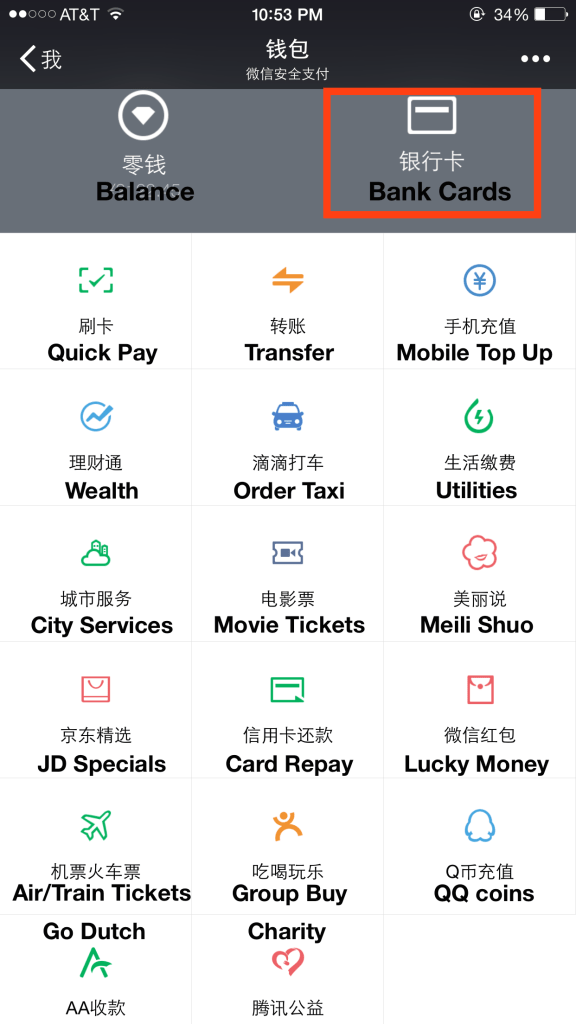
The easy to use, convenient, all-in-one-platform has simple features to send photos, receive news, and message people. However, to be successful Weixin has to do more than that which they learned how by personally getting to know their consumers, such as learning about their daily lives/routines.
To satisfy people in a hurry or those who don’t want to type long message, there is a feature to record messages instead of taking a long time to type, click on news/shopping links that open inside the app and don’t redirect you. This is convenient for users and Weixin because they keep audience flow and don’t risk losing their user to another platform.
Although, Weixin can do more than that as they think of features that fit into individual lives. For example, someone who can’t drive can find a cab on the street. This feature is similar to Uber where users could get taxi’s via Weixin payments. This feature satisfies users needs for convenience and also Weixin gets a financial benefit since they pay through the app.
The major success of Weixin was becoming part of the user’s daily routine/habit. People can use the app on lunch break or the subway, anywhere they go the have access to the app.
Weixin in America
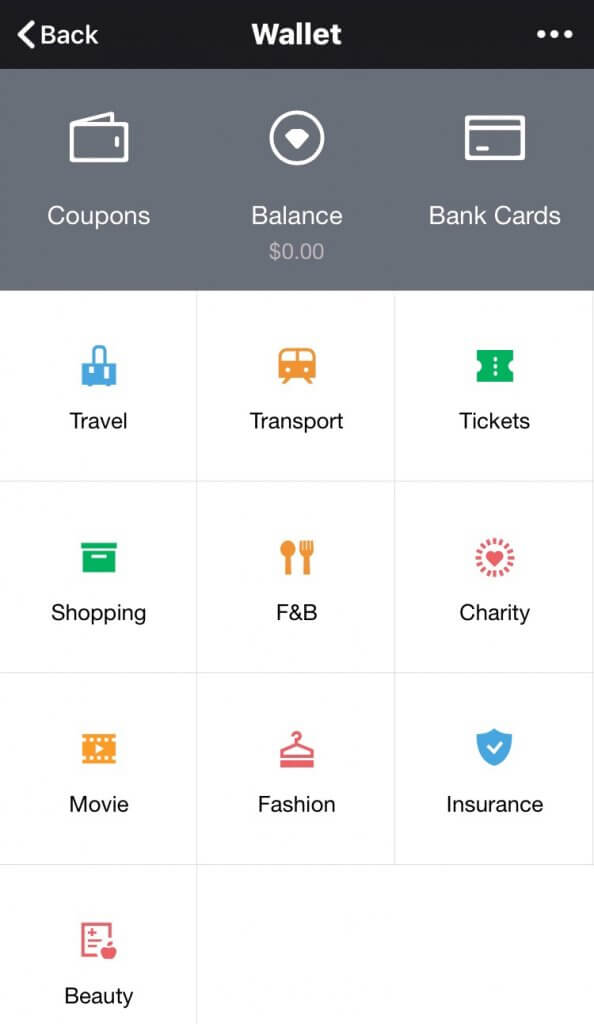
Weixin is different than American apps being an all-in-one platform. Although, Instagram added Snapchats ‘story’ feature, but we still need multiple apps to satisfy our needs, like Ubers features. Weixin is WeChat in America with less features (right), so we can have everything on one platform.
Do you prefer an all-in-one-app or having multiple platforms?
 Jill's Thoughts